


Quick Links
Individually designed treatment plans.
Over time, slow cell growth and a reduction in key components of the skin, such as collagen and elastin, result in an aged appearance, with fine lines, facial wrinkles, reduced elasticity, and a less hydrated appearance. Stimulating new, healthy skin cell growth is one way that aesthetic medicine specialists like Dr. Skura help patients achieve more youthful, healthier-looking skin. This can be achieved through PRP (platelet-rich plasma) rejuvenation. At Art Aesthetica, Chicago patients can receive safe and effective PRP treatment for more youthful skin in areas including the face, neck, chest, and hands.
What is Platelet-Rich Plasma Therapy for Skin Rejuvenation?
PRP rejuvenation involves injecting or applying PRP, or platelet-rich plasma, to areas of the skin where patients notice signs of aging, including wrinkles, sagging, poor elasticity, uneven skin texture, acne scars, or dullness. PRP is derived from your own blood, separated from other blood components to harness its healing properties. Because PRP is derived from the patient’s own blood, there is a reduced risk of allergic or other adverse reactions that can be a concern with other treatment options. PRP is the liquid portion of blood that is rich in platelets and growth factors, which are essential for tissue regeneration and healing. Often, PRP for skin rejuvenation is referred to as a “vampire facial,” made popular by celebrities. Patients may choose PRP skin rejuvenation for areas including:
- Face
- Neck
- Chest
- Hands
PRP works at a cellular level to enhance skin quality over time, unlike synthetic fillers, which offer only temporary results. PRP stimulates tissue regeneration by attracting and activating stem cells, which promote healing and cosmetic improvements.
What to Expect During the Platelet-Rich Plasma (PRP) Facial Rejuvenation Treatment
Before performing a PRP skin rejuvenation treatment, Dr. Skura will complete a brief yet thorough consultation to ensure you are a safe and suitable candidate. After determining that the treatment is a good option for you, PRP skin rejuvenation is completed in three simple steps.
First, the patient’s blood is drawn. Typically, this is done from the arm.
Next, the blood is processed using a centrifuge. The centrifuge rapidly spins the blood to separate it into three layers: platelet-poor plasma, red blood cells, and platelet-rich plasma. This process takes about ten minutes to complete on average. The PRP treatment session typically lasts about 30 to 60 minutes, or about an hour.
Finally, the PRP is drawn into a syringe. This PRP can then be injected into the desired treatment area.
Alternatively, the concentrated PRP serum may be injected into specific areas or applied topically to the skin, especially following treatment options such as microneedling, to enhance absorption. PRP combined with microneedling, dermal fillers, or Botox can further enhance the results of facial rejuvenation. During a consultation, Dr. Skura can make a recommendation and help you choose between PRP injections and PRP with deep microneedling based on your specific aesthetic concerns and desired results.
Platelet-Rich Plasma Injections Aftercare Instructions
PRP for skin rejuvenation is a minimally invasive procedure that does not require downtime. This means that patients may drive themselves home after the procedure and immediately return to their normal routines if they choose to. However, some common side effects of the procedure can include swelling, redness, tenderness, or bruising at either the blood draw or injection site, which are normal and temporary effects. Most individuals begin to notice improvements in their skin texture and tone within a few weeks after the PRP treatment.
Following your treatment, Dr. Skura will advise you to avoid taking blood-thinning medications, including aspirin or other anti-inflammatories such as Ibuprofen. You should also avoid applying makeup to the treatment area, strenuous activity, or direct sun exposure.
Frequently Asked Questions
How does PRP improve the skin?
What areas of the face can be treated with PRP Rejuvenation?
Is PRP the same as vampire facial?
How soon will I see results from PRP?
How long do PRP results last?
Does PRP Rejuvenation hurt?
Can I wear makeup after my PRP treatment?
What should I avoid after PRP treatment?
What is PRP Rejuvenation?
Is PRP Rejuvenation safe?
Is the procedure painful?
Is there any downtime?
Who is a good candidate for PRP Rejuvenation?



Schedule a Consultation
To learn more about PRP for skin rejuvenation and your best anti-aging treatment options, schedule a consultation with Dr. Skura. She will review your concerns, health history, and treatment goals to recommend the best option for you. To schedule your consultation, contact Art Aesthetica in Chicago.
Contact Us
Art Aesthetica Consultation Form


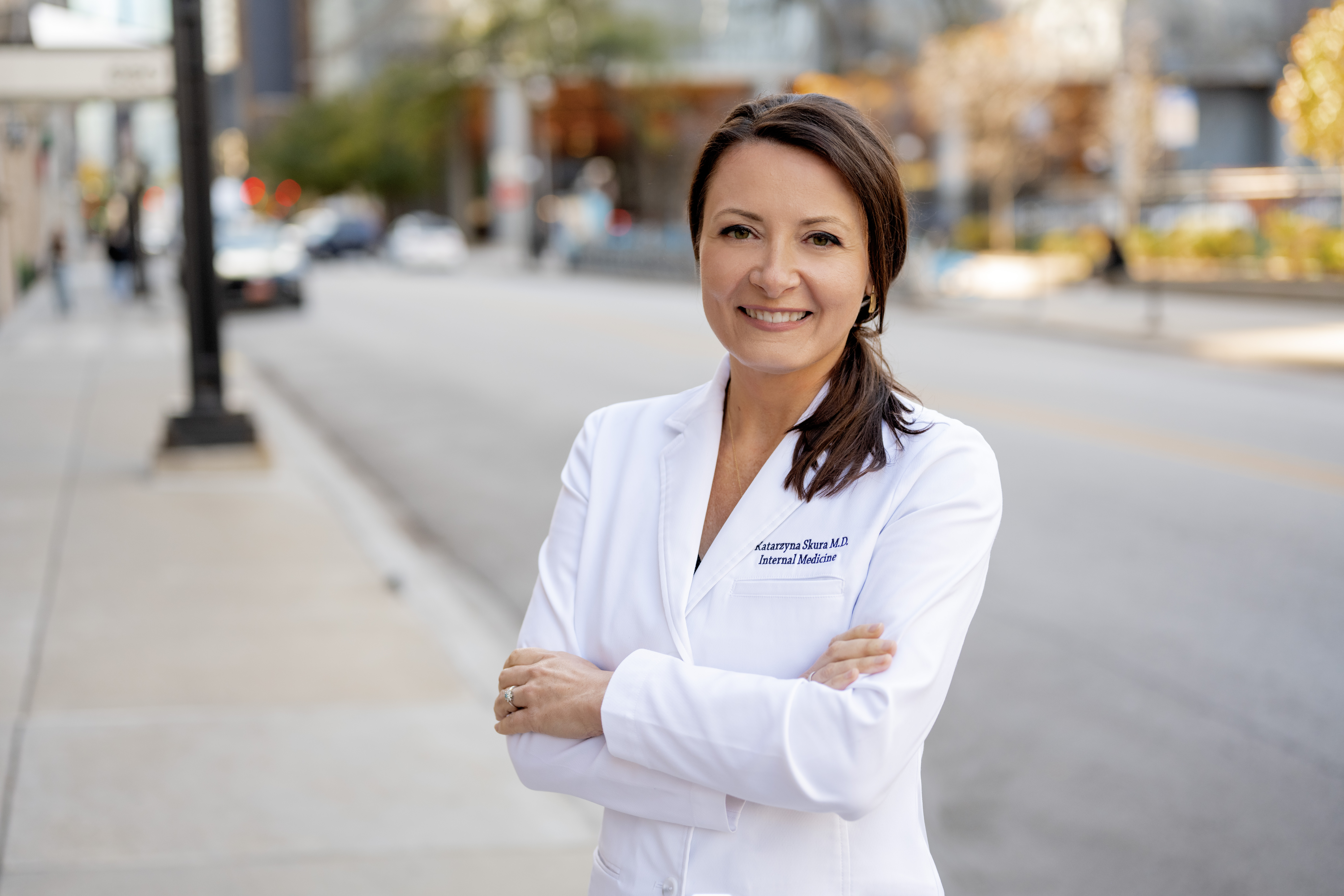
Katarzyna Skura, MD believes in education, prevention, and a balanced body and mind. Her role is to guide patients toward their greatest health and wellness. She takes the time to design individual treatment plans for each patient, concentrating on prevention and each patient’s unique needs.

