


Quick Links
Platelet-Rich Plasma (PRP) for Acne Scars
Even after acne has healed, many patients are left with acne scars (typically atrophic acne scars or depressed scars). These can be unpleasant reminders of the acne a patient once suffered and cause uneven texture or pigmentation in the skin. While several treatment options are available to help reduce acne scars, Dr. Skura often recommends PRP (platelet-rich plasma) for patients at Art Aesthetica. PRP has several benefits, including reduced risk of allergic or other adverse reactions and effective results in encouraging new, healthy skin cell growth.
What is PRP for Acne Scars?
PRP, or platelet-rich plasma, is a substance derived from the patient’s own blood. This substance encourages new cell growth (with the help of growth factors), making it beneficial for a variety of medical and cosmetic uses. For patients with acne scars (and some surgical scars), PRP can help create a more even skin tone and texture as well as promote the development of collagen and elastin for healthy, youthful, and hydrated-looking skin. And it often doesn’t matter your skin color or skin type.
After injecting PRP into the treatment area, patients with acne scars often notice new skin cells and tissue regeneration that rejuvenates the appearance and reduces visible scarring.
PRP treatment can also work on a variety of acne scars, including ice pick scars, rolling scars, boxcar scars, and more.
What to Expect During Treatment
Prior to administering PRP for acne scars, Dr. Skura will conduct a brief yet thorough consultation. This involves reviewing your aesthetic concerns, health history, and goals for treatment to determine whether you are a suitable candidate. In many cases, patients with active acne may be advised to address current breakouts before administering PRP for acne scars.
Once you are cleared for PRP rejuvenation, the first step is to draw blood, typically from the arm. The collected blood is then prepared in a centrifuge. This is a machine that rapidly spins the blood to separate it into three layers: platelet-poor plasma, red blood cells, and platelet-rich plasma. The platelet-rich plasma is then drawn into a syringe.
As needed, the treatment area may be numbed using a topical treatment. The PRP can then be injected into the treatment area. Injections typically take no more than about 15 minutes after PRP has been prepared.
In some cases, Dr. Skura may recommend PRP with deep microneedling (collagen induction therapy) rather than injections for acne scars. These options can be discussed during your consultation.
PRP Therapy Aftercare Instructions
After platelet-rich plasma treatments, no downtime is required. Patients can drive themselves home and immediately return to normal routines as they choose. Some common side effects after PRP injections can include mild redness, tenderness or sensitivity, mild swelling, and bruising at the injection or blood draw sites. Some patients also report a tingling sensation where PRP is administered. These side effects should quickly resolve as the natural healing process progresses. Dr. Skura may advise you not to apply products to the treatment area including makeup to prevent infection. She may also advise you to avoid exercise or strenuous activity, direct sun exposure, alcohol, or anti-inflammatory and blood-thinning medications including aspirin.
Schedule a Consultation
To learn more about PRP for acne scars and other treatment options, schedule a consultation with Dr. Skura. She will review your aesthetic concerns and treatment goals to recommend your best options. To schedule your consultation, contact Art Aesthetica in Chicago.




Contact Us
Art Aesthetica Consultation Form


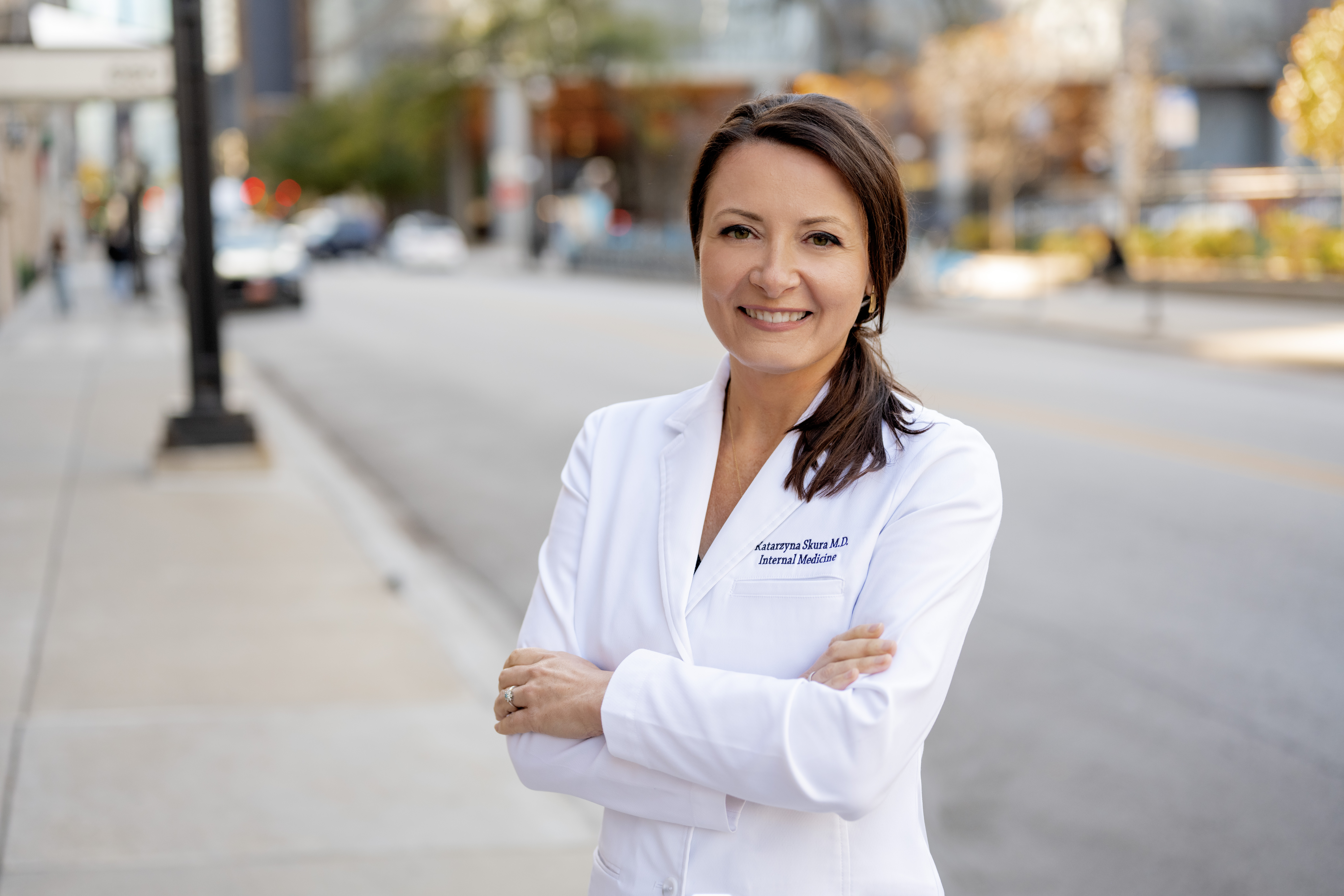
Katarzyna Skura, MD believes in education, prevention, and a balanced body and mind. Her role is to guide patients toward their greatest health and wellness. She takes the time to design individual treatment plans for each patient, concentrating on prevention and each patient’s unique needs.

